Why Good Intentions Around Adjusting to Life Changes Often Fail During Commute

On a typical weekday morning, the door swings open to a small apartment, and the familiar sight of a bowl by the entrance comes into view. It’s meant to be a designated drop zone for keys, but today, they’re nowhere to be found. The laundry card, crucial for picking up clean clothes later, is also missing from the wallet. As the clock ticks closer to departure time, the pressure mounts to gather everything needed for the day: a grocery list, transit passes, and the all-important reusable bags. Yet, with each passing moment, the scattered nature of the setup begins to unravel the best intentions of a smooth commute.
The friction points in this daily routine often stem from a lack of organization at the entryway. Without a consistent place for essentials like keys and transit cards, important items get overlooked. As the hurried search for the laundry card ensues, the grouped errand list remains untouched on the counter, waiting to be checked off. This kind of disarray leads to a delayed transit check, making it all too easy to miss the bus or train. The physical setup doesn’t align with the intended flow of the morning, and the result is a chaotic start that complicates even the simplest commute.
The Moment Before the Slip: A Typical Commute Scene
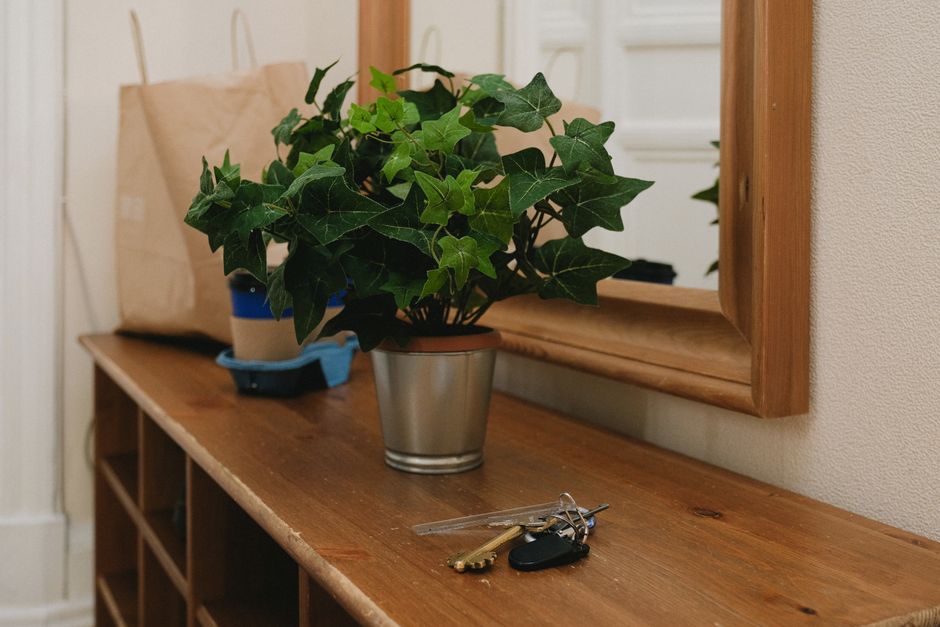
At the threshold of a busy apartment entryway, the morning light spills in, illuminating a chaotic scene. The small table by the door is cluttered with mail, empty coffee cups, and a half-opened grocery bag. This is where the daily routine begins to unravel. As the clock ticks toward the departure time, the protagonist realizes that their keys, usually dropped into the bowl on the table, are nowhere to be found. A frantic search ensues, their mind racing through the last few moments spent in the apartment.
In a rush, they check the pockets of their jacket, then the counter, and finally the kitchen drawer, all while glancing at the wall clock. The laundry card, crucial for picking up clothes later, is still in the wallet, which is tucked away in a different bag. The grouped errand list remains untouched, a silent reminder of the tasks ahead. With each passing second, the anxiety builds, and the transit check happens too late, leading to a missed bus. The disarray at the entryway creates a domino effect, where the simple act of placing keys in the bowl could have set a smoother tone for the day. Instead, the protagonist is left scrambling, their intentions lost in the chaos of a poorly organized space.
Where the Routine Begins to Slip: The Forgotten Laundry Card
As the clock ticks closer to departure, the entryway becomes a chaotic hub of forgotten objects. The laundry card, essential for picking up clothes from the local laundromat, is nowhere to be found. Instead of the usual calm of placing keys into the bowl by the door, there’s a frantic search through bags and pockets. The protagonist checks the jacket hanging on the hook, then the kitchen counter where last night’s takeout menu lies crumpled, and finally, the depths of a tote bag that’s been used for grocery trips. Each moment spent searching adds to the stress, and the ticking clock serves as a constant reminder of the time slipping away.
Without the laundry card, an important errand is now impossible, leading to a wave of frustration. The grouped errand list, meant to streamline the day, remains untouched on the kitchen table, a silent witness to the disarray. The decision to skip checking the wallet before leaving now feels like a major oversight. With the bus approaching, the protagonist realizes that the disorganized entryway has cost them not just time but also the chance to complete a crucial task. As they finally grab their keys, the weight of missed opportunities lingers, underscoring how a simple act of placing items in their designated spots could have made all the difference in a busy city day. Understanding the Friction: Why This Happens in Daily Life In the chaos of city living, the entryway of an apartment often becomes a catch-all for items that disrupt daily routines. A bowl meant for keys sits on the side table, but it’s filled with miscellaneous mail and old receipts instead. When it’s time to leave for work, the frantic search for keys begins. This clutter creates a barrier, making it easy to overlook essential items like the laundry card, which should be in the wallet but is instead lost in the jumble of a disorganized entryway. Without this card, an important errand cannot be completed, turning a simple grocery trip into a frustrating detour.
As the clock ticks down, the routine check of the transit app happens too late. The protagonist, already running behind, opens the app just as the bus pulls away from the stop. This missed connection is a direct consequence of not having a grouped errand list ready to go, which could have streamlined the day. Instead of checking the app first thing in the morning, it gets pushed to the last moment, leading to a scramble that could have been avoided. The physical setup of the apartment, with its cluttered surfaces and misplaced items, doesn’t support the smooth flow of daily life, creating friction points that derail good intentions.
Good intentions alone aren’t enough when the environment doesn’t facilitate them. The decision to skip a quick check of the wallet before heading out now feels like a major oversight. A simple adjustment, like placing keys in the designated bowl and ensuring the laundry card is always in the wallet, could alleviate much of this stress. Yet, the reality is that without these small but crucial steps, the daily commute becomes a series of missed opportunities, underscoring the importance of a well-organized entryway.
One Simple Adjustment: Creating a Drop Zone for Essentials
A slightly different version of this problem appears in Navigating Busy City Life, where the sequence changes but the hidden drag feels familiar.
At the entrance of your apartment, a small bowl can become the linchpin of your daily routine. This bowl, placed conveniently on a side table near the door, serves as a designated drop zone for keys, laundry cards, and any other essentials you might need for the day. Without this simple setup, you risk leaving the house without crucial items, like that laundry card tucked away in a drawer or your keys misplaced on a cluttered counter. The physical organization of your entryway directly impacts how smoothly your mornings unfold.
- Establish a bowl for keys and laundry cards to prevent last-minute searches.
- Group errands into a single list, ensuring nothing is overlooked during your rush.
- Check the bowl for essentials before stepping out, making it a routine part of your exit.
By integrating this small sequence change into your morning, you create a reliable checkpoint. Each weekday, before you head out, take a moment to glance at the bowl and make sure everything you need is there. This not only saves time but also reduces the stress of a hurried commute. Missing the laundry card because it wasn't in your wallet can lead to a frustrating detour later, underscoring the importance of a well-organized entryway for city living.
What Gets Easier in the Next Time Block
If this pattern keeps repeating, Apartment Living Tips Us extends the idea without leaving the niche.
After a long day of commuting and running errands, the moment you step into your apartment can feel chaotic. Shoes scattered by the door, bags of groceries hanging from your arms, and a lingering thought about the laundry card you forgot to grab can create a sense of urgency. But when you establish a routine around your entryway, those initial moments can shift from frantic to manageable.
Designate a specific bowl by the door for keys, transit cards, and that elusive laundry card. Each time you return home, place your items in the bowl immediately. This small adjustment means that when you prepare to leave again, you can quickly check the bowl to ensure you have everything you need. Instead of rushing back to the drawer where the laundry card hides, you simply glance at the bowl and grab it before heading out.
As you streamline this process, you’ll notice a significant reduction in those last-minute scrambles. The time you save by not having to search for essentials allows you to leave your apartment feeling more organized and less stressed. This simple act of checking the bowl before you exit becomes a reliable checkpoint, ensuring that your next block of time—whether it’s a grocery trip or a commute—is less about scrambling and more about moving forward with clarity.
In the hustle of city living, it’s easy to overlook how small adjustments can significantly impact our daily routines. A missed check, like forgetting to grab the laundry card, can throw off an entire errand run. When you realize halfway to the laundromat that you don’t have it, you’re forced to backtrack, wasting precious time and adding unnecessary stress to your day.
To mitigate this, consider creating a grouped errand list that you keep by the door alongside your designated bowl for keys and transit cards. Before you head out, take a moment to review this list and ensure everything is in place. This simple act not only streamlines your errands but also sets a clear intention for your commute, making it easier to adjust to the changes in your daily life without the friction of forgotten items.