Why Good Intentions Around Errands Often Fail in City Living
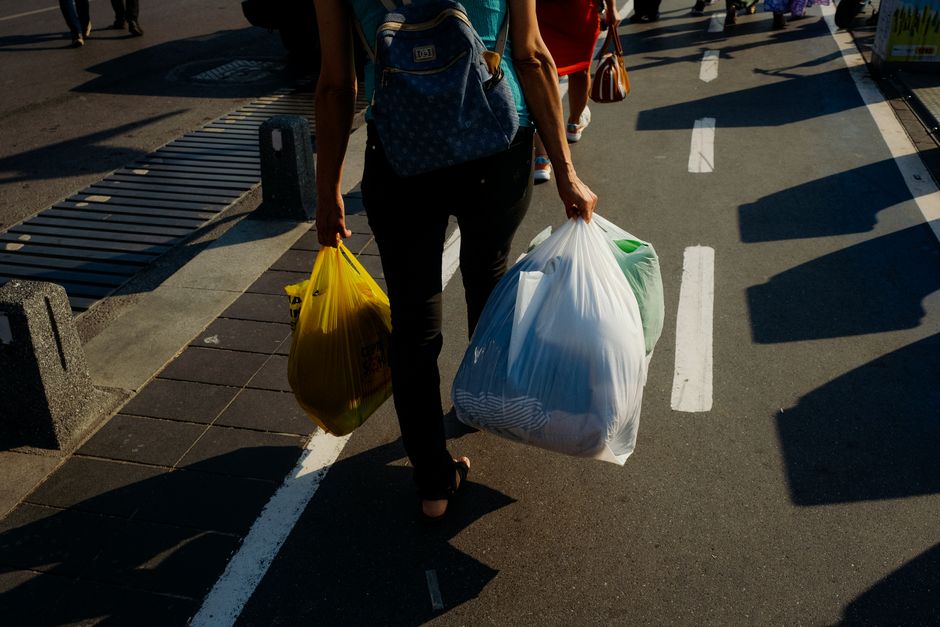
As the late afternoon sun filters through the kitchen window, I find myself standing in front of the open closet door, peering at the grocery bags still crammed in the corner. It’s a typical weekday moment in my small apartment, where the clutter of life logistics often collides with the demands of work. I had planned to tackle laundry and a grocery trip after my shift, but here I am, realizing that the timing has slipped away from me. The transit app on my phone buzzes with alerts, reminding me that the last bus to the grocery store will leave soon, but I still need to gather my reusable bags and check my list.
In the hustle of city living, it’s easy to overlook the small checks that keep errands from spiraling into chaos. I glance at the clock, noting that I should have left ten minutes ago. That missed timing means I’ll have to rush through the store, possibly forgetting essential items. The bags, which should have been prepped and by the door, are still hidden away, a reminder of how life logistics can easily derail even the best intentions. As I shuffle through my apartment, gathering what I need, I wonder how often these small oversights compound, turning simple errands into a source of stress rather than a manageable part of daily life. The Routine Disruption at Day's End Evening in a small city apartment often means a quick reset before the next day begins. As I stand at the cluttered kitchen counter, I can’t help but notice the grocery bags still tucked away in the closet, remnants of a shopping trip that never quite happened as planned. The clock ticks closer to 8 PM, a reminder that I need to manage my time better if I want to keep errands from spilling into my work hours.
With the transit app open on my phone, I glance at the screen, realizing the last bus to the grocery store leaves in just under twenty minutes. I should have prepared earlier, but here I am, shuffling through the apartment, gathering my reusable bags and checking my list. I pull out the bags, which should have been placed by the door for easy access, but instead, they sit in the closet, adding unnecessary friction to my evening routine.
As I stack the bags on the counter, I mentally list the items I need, hoping I won’t forget anything crucial. The clutter reminds me that I need to adjust my approach; grouping errands by stop could save time and reduce stress. I can’t help but think how often these small oversights compound, turning simple tasks into a source of anxiety rather than a manageable part of daily life. The evening light dims, and I realize that if I don’t leave soon, I’ll be left scrambling for groceries tomorrow morning, a situation I’ve faced all too often.
When the Errands Start to Slip
The clock on the wall reads 7:15 PM, and the apartment feels smaller as I scan the cluttered counter. The grocery list, hastily scribbled on a piece of paper, sits next to my laptop, a reminder of what I need but also of how late it’s getting. The reusable bags should have been prepped earlier, but they’re still tucked away in the closet, hidden under a pile of shoes. I pull them out, feeling the weight of the evening pressing down as I stuff the bags with my list in one hand and my phone in the other, ready to check the transit app.
As I tap the screen, a sinking feeling washes over me—the next bus is delayed by twenty minutes. I glance at the bags, now half-filled, and realize that this delay could push my grocery trip into the late hours, where the aisles are less crowded but my motivation dwindles. I could have grouped errands by stop earlier in the day, but now I’m left with a choice: rush to the bus stop and risk missing it, or wait and hope to salvage the evening. This small oversight, a missed check on the timing, has turned what should be a simple grocery run into another stressor in my already packed schedule. The Hidden Friction in Daily Logistics As I sift through my cluttered apartment, the clock ticks closer to the evening rush, and the weight of unfinished errands looms large. I glance at the laundry basket overflowing in the corner, a reminder that chores pile up just like my grocery list. The transit app on my phone flickers to life, revealing that the bus I intended to catch is running late. This delay means I have to reconsider my plan, and I realize that good intentions alone won’t be enough to navigate the tight schedule I’ve set for myself.
- Errands often get crammed into the last hours of the day, leading to rushed decisions.
- Fatigue from a long workday clouds judgment, making it easy to overlook essential steps.
- Grouping errands by stop could have saved time, but now I’m left juggling multiple tasks with little energy.
With the grocery bags still hidden in the closet, I know I need to grab them before heading out. I should have checked the transit times earlier, ideally when I was still at my desk, but now that oversight means I’m scrambling. I can either rush out the door and risk missing the bus or wait and hope I can still fit in the laundry before bed. This moment encapsulates the friction of urban life logistics, where each small misstep compounds into a significant hurdle.
Grouping Errands for Efficiency
This same friction shows up again in Navigating Busy City Life, especially when the day tightens unexpectedly.
As the late afternoon sun filters through the apartment window, I glance at my transit app screen, noting the time ticking away. I have a grocery trip planned, but I also need to drop off laundry at the nearby laundromat. Both errands are just a few blocks apart, yet I often forget to plan them together. The laundry basket sits in the corner of my living room, a reminder of what could have been a smoother evening if I had grouped these stops earlier in the day.
To avoid the last-minute scramble, I decide to place my grocery bags by the door as a visual reminder. This small adjustment can save precious minutes when I’m ready to leave. I check the transit app again, realizing that the bus arrives in just ten minutes. If I had checked earlier, I could have timed my departure better, but now I’m left with a choice: rush out and risk forgetting the laundry, or take a moment to gather everything before heading out. The friction of urban life logistics is palpable; each decision feels like a balancing act between time and efficiency.
Next time, I’ll set a reminder on my phone to check the transit times earlier in the day. Planning errands based on proximity not only saves time but also reduces the mental load of remembering multiple tasks. The grocery bags should never have been tucked away in the closet; they need to be part of the routine, ready to go when I am. Adjusting the sequence of my errands could make the difference between a rushed evening and a manageable one.
The Next Morning's Carry-Forward
A slightly different version of this problem appears in Apartment Living Tips Us, where the sequence changes but the hidden drag feels familiar.
The small kitchen table, usually cluttered, is now clear, a direct result of last night’s effort to organize errands. The grocery bags, which had been hidden away in the closet, are now neatly placed by the door. This simple adjustment not only enhances the visual space but also streamlines my morning routine. As I wake up, I can immediately see what I need for the day, reducing the mental load that often comes with city living.
With the bags ready to go, I feel more prepared for the commute. I glance at my transit app, which I checked earlier in the evening, and see that the bus will arrive in twelve minutes. Knowing this allows me to grab my keys and step out without rushing. I’ve already grouped my errands by stop, so I can quickly hit the grocery store on the way to the laundromat. This setup minimizes backtracking and makes the trip feel less daunting.
However, there’s a lingering friction: I realize I forgot to check the laundry schedule. If I had set a reminder on my phone last night, I could have confirmed the hours for the laundromat. Now, I’m left hoping it’s open when I get there. It’s a reminder that even with better planning, there’s still room for oversight. The balance between preparation and execution remains delicate, and each small adjustment can shift the entire flow of my day.
As I reset the small surface in my apartment, I can’t help but notice the grocery bags still tucked away in the closet. They were supposed to be a part of my evening routine, ready for a quick grab before heading out. Instead, they remain a reminder of the friction that arises when errands bleed into my work schedule. The transit app on my phone buzzes with an alert, but it’s too late to adjust my plans now. I should have checked the laundromat hours earlier, ensuring I wouldn’t be left standing in front of a closed door.
Next time, I’ll set a door-side reminder for laundry days, a simple note to confirm the schedule before I head out. This small action could save me from the anxiety of uncertainty and help streamline my errands. In the hustle of city life, it’s these little checks that can make all the difference in managing my daily logistics efficiently.


