The Small Task That Slips Away: Navigating Life Changes Amidst Daily Chaos
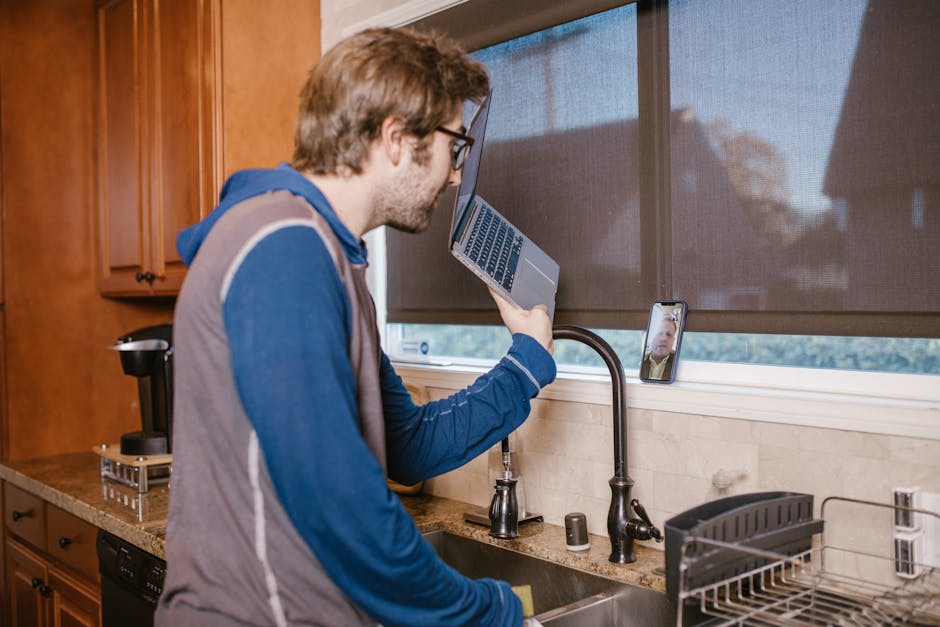
As you step through the door of your apartment after a long day, the familiar sight of your door-side bowl greets you. It’s where your keys should land, but instead, they’re lost in the depths of your bag, buried under receipts and a half-eaten granola bar. The grocery bags you meant to unpack are still tucked away in the closet, waiting for a moment that never seems to come. You glance at your phone, noting the time ticking away as you mentally juggle the errands you need to run before the evening rush. Each small task feels like a weight, pulling at your focus and making the simple act of getting settled feel like a chore.
In the chaos of daily life, it’s easy to overlook these small admin tasks that pile up, like the grocery list you forgot to group by aisle or the transit check that happens too late, leaving you scrambling to catch your bus. The missed steps compound, creating a ripple effect that disrupts your routine. Without a clear system in place, what should be a straightforward grocery trip turns into a frustrating scramble, as you find yourself racing against the clock to check off items while navigating the city block. The friction of these small oversights can derail your evening, making it crucial to find a way to manage them effectively.
Field Notes from a Busy Morning
The morning rush kicks off with a crumpled grocery list in hand, a reminder of what’s needed for the week ahead. The door-side bowl, typically a neat drop zone for keys, is now a chaotic mix of unopened mail and stray receipts. As you fumble through the clutter, the clock ticks louder, urging you to make the most of the time before your commute.
You glance at the list, realizing you forgot to group items by aisle, which means navigating the grocery store will be a disorganized sprint. The bags for the groceries are still tucked away in the closet, a detail that slips your mind as you mentally prepare for the day. This oversight adds another layer of friction; without those bags, you’ll have to juggle loose items on the way back, risking a spill on the subway.
As you finally grab your keys, the transit check happens too late, and you realize you’ve missed the earlier bus. Now, you’re left waiting, watching the minutes slip away, knowing that each small task left unchecked can snowball into a larger disruption. A quick glance at your phone reveals the next bus is due in fifteen minutes, but the grocery trip is still looming, and the day is only just beginning.
A Small Mistake in the Routine
The morning light filters through the kitchen window, illuminating the cluttered countertop where a bowl sits, meant for keys and small essentials. You rush past it, focused on gathering your things for the day. The grocery bags, still tucked away in the closet, slip your mind as you mentally run through the errands. You grab your phone to check the transit schedule, only to find that you’ve left your keys on the dining table instead of their usual spot. This small oversight adds unnecessary chaos to your already packed morning.
As you finally locate the keys, you realize the grocery bags are still in the closet, a detail that should have been part of your routine. The thought of navigating the store without them feels daunting, especially when you’re already pressed for time. You mentally note to write a grouped errand list next time, ensuring that each item is organized by aisle. But now, with the next bus arriving in just minutes, you’re left juggling loose items in your hands, a recipe for disaster on the subway. The day is only just starting, and already, minor tasks are piling up, threatening to derail your carefully planned schedule.
Consequences of Overlooking the Little Things
A slightly different version of this problem appears in Navigating Busy City Life, where the sequence changes but the hidden drag feels familiar.
Rushing out the door, you grab your bag and check your watch. The bus leaves in ten minutes, and you’re already cutting it close. As you step into the hallway, the thought hits you: the grocery bags are still in the closet. It’s a small detail, but it’s one that can throw off your entire morning. You hesitate, weighing the time it’ll take to retrieve them against the urgency of your commute. Ultimately, you decide to go back, knowing a grocery trip without bags is pointless.
With the bags finally in hand, you rush out the door only to realize you forgot to check the transit app. The bus is due any minute, but as you pull up the schedule, you see that it just left. This delay means you’ll have to wait an extra fifteen minutes for the next one. The ripple effect of that initial oversight is becoming painfully clear: missing the bus not only sets you back but also makes you late for your first meeting. You mentally note that a grouped errand list might help next time, but right now, you’re left standing on the corner of your city block, feeling the weight of the morning’s small admin tasks piling up, each one a reminder of how easily they can derail your day.
Quick Fixes for Daily Disruptions
If this pattern keeps repeating, Apartment Living Tips Us extends the idea without leaving the niche.
The moment you step into your apartment after a long day, the chaos of small admin tasks can hit hard. You toss your keys onto the kitchen counter, but they quickly disappear under a pile of mail and grocery receipts. Instead, designate a specific bowl by the door for your keys. This simple action eliminates the frantic search when you’re in a rush to leave for your commute.
Before you head out for errands, take a minute to create a grouped errand list. Jot down everything you need to do and the items you need to grab, like groceries or dry cleaning. Keep this list on your phone or on a notepad attached to the fridge. This way, you can quickly check off tasks as you complete them, reducing the chance of forgetting something crucial.
As you prepare for your grocery trip, check that your reusable bags are in the designated spot—right next to the door. If they’re still tucked away in the closet, you’ll find yourself backtracking, which only adds to the morning’s stress. The key here is to streamline your routine: make sure the bags are always ready to go, and your grouped errand list is visible. This small adjustment can save you precious minutes and keep you on track.
Recognizing Patterns in Daily Life Adjustments
On an ordinary weekday, the moment you step into your apartment after a long commute, a familiar sight greets you: a bowl by the door, usually filled with keys and loose change. Yet, more often than not, it’s the small tasks—like picking up groceries—that slip through the cracks of a busy day. You might find yourself standing in the kitchen, staring blankly at the fridge, realizing you forgot to grab milk on your way home.
To tackle this, consider keeping a checklist visible at the door, perhaps taped to the wall or attached to the bowl itself. This list should include essential items you need to remember before heading out, such as "grocery bags" or "dry cleaning". Each morning, as you prepare to leave, take a moment to glance at this checklist. It’s a simple action, yet it can prevent the frantic search for your keys or the last-minute realization that the grocery bags are still tucked away in the closet.
By establishing this small routine, you create a friction point that helps you recognize what often gets overlooked. The commute can be chaotic, but a quick check of your list before you step out can streamline your errands, ensuring that you don’t waste time backtracking. The key is to make this checklist a part of your daily exit ritual, so it becomes second nature to glance at it before you leave the apartment.
As the day winds down, the moment you walk through your apartment door can set the tone for the evening. If you find yourself dropping your keys on the counter instead of the designated bowl, that’s a small but telling sign that the routine is slipping. When the keys aren’t in their place, the frantic search begins, which can lead to a cascade of forgotten errands—like those grocery bags still tucked away in the closet. Each small oversight adds to the chaos of daily life, pulling focus from what really matters.
To keep these minor disruptions at bay, consider placing your keys in the same bowl every time you enter. This simple action can serve as a visual cue to remind you of what needs to be done next, like checking your grouped errand list. By anchoring this habit at your door, you create a friction point that helps you remember the small tasks that often slip through the cracks during busy days. Next time you come home, take a moment to check that bowl and your list—this small adjustment can make all the difference in managing the life changes that come with city living.