The Keys to a Smoother Day: Managing Life Admin in a Busy World
As the clock ticks toward the morning rush, the familiar chaos of a weekday unfolds in the small entryway of an apartment. Shoes are strewn across the floor, and the door-side bowl sits empty, waiting for keys that are still in the pocket of yesterday’s jacket. The grocery bags, remnants of an earlier shopping trip, remain tucked away in the closet instead of being unpacked. This small oversight creates a ripple effect, complicating the day’s errands and leaving the apartment dweller scrambling to find what they need before heading out.
In the midst of preparing for the daily commute, the mental checklist often gets lost amid the flurry of tasks. The crucial transit check, meant to ensure that everything is in order for the day, happens too late—after the bags are packed and the door is nearly closed. Without a grouped errand list or a designated spot for essentials, the simple act of leaving home transforms into a frantic search for items that should have been ready. This friction, rooted in overlooked logistics, can derail even the best-laid plans, making it clear that small adjustments in daily life can have significant impacts on how smoothly the day unfolds.
The Moment That Slips Away
After a long day of commuting, the door to the apartment swings open, revealing a cluttered table where keys are carelessly tossed aside. The moment feels chaotic, and the familiar bowl meant for keys is empty, lost under a pile of mail and forgotten receipts. This small oversight sets off a chain reaction, as the search for essentials begins amidst the clutter.
As the evening unfolds, the grocery bags remain tucked away in the closet, a casualty of distractions from the day’s errands. The intention to unpack them fades as the mind races through a mental checklist of tasks still waiting to be tackled. Without a grouped errand list, the simple act of grabbing what’s needed turns into a frantic hunt through the apartment. The realization hits too late: the transit check, meant to ensure everything is in order before heading out again, occurs only after the bags are packed and the door is nearly closed.
To mitigate this friction, consider placing the keys in the designated bowl immediately upon entering. This simple action can serve as a visual cue to check for other essentials, like the grocery bags, which should ideally be unpacked right after returning home. By establishing this small routine, the chaos of forgotten items can be reduced, allowing for a smoother transition into the next part of the day.
The First Task That Gets Overlooked
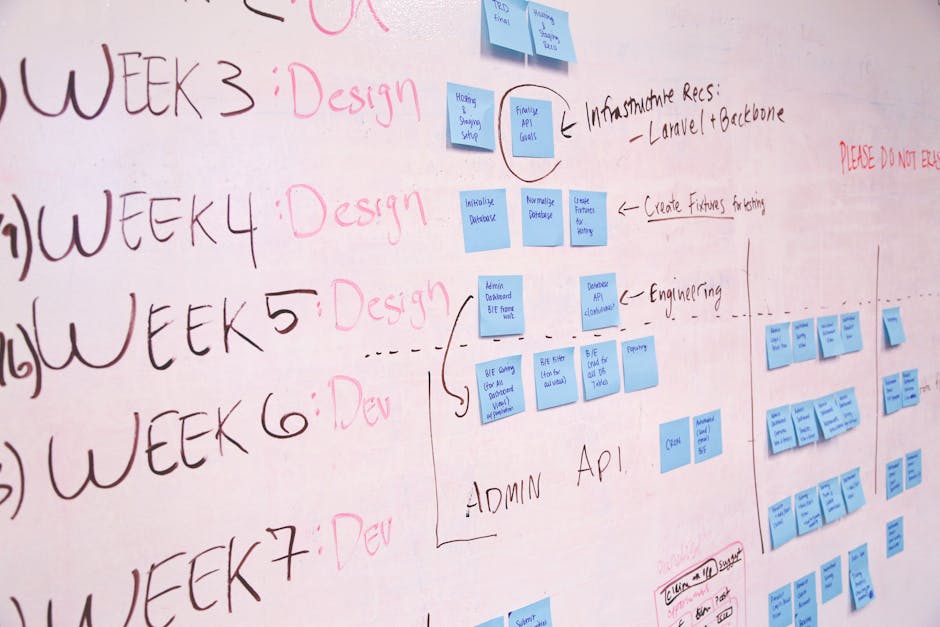
As the day winds down, the apartment door swings open, and the familiar sight of the entryway greets you. Keys land on the cluttered table instead of the designated bowl, a small yet significant oversight. This simple act of placing them in the bowl could have set the evening's rhythm, but now it feels like just another missed step in the daily shuffle. Without that visual cue, the mind races through the evening's errands, leaving the grocery bags still tucked away in the closet.
Rushing to check transit schedules becomes a last-minute scramble, often resulting in missed buses. The urgency to leave the apartment blinds you to the fact that the grocery list, hastily written on a notepad, remains unexamined. Instead of a grouped errand list that would streamline the process, you find yourself mentally sifting through items to remember what needs to be grabbed. Each moment spent searching for keys or recalling forgotten tasks adds unnecessary friction to the evening, making it easy to overlook what should have been a smooth transition into the next part of the day.
To counter this, consider establishing a quick routine: as soon as you walk in, place your keys in the bowl and take a moment to check the grocery bags. This small adjustment can save time and reduce the chaos of forgetting essentials, allowing for a more organized approach to evening errands. Without this simple practice, the evening can easily slip into a frantic race against time, leaving you to wonder how such small tasks can lead to larger disruptions in daily life logistics.
Quick Fixes for Daily Disruptions
A slightly different version of this problem appears in Navigating Busy City Life, where the sequence changes but the hidden drag feels familiar.
When you step inside your apartment after a long commute, the last thing you want is to scramble for your keys or remember what errands you need to run. A simple drop zone for your keys—like a bowl or hook right by the door—can make a noticeable difference. This small adjustment allows you to walk in, drop your keys, and immediately check off what needs to be done next.
- Establish a dedicated bowl or hook for keys to prevent frantic searches.
- Create a grouped errand list on your phone or a sticky note before you leave.
- Check the grocery bags in the closet to ensure nothing essential is forgotten.
By implementing these steps, you can reduce the chaos that often leads to missing items or tasks. Aim to do this as soon as you walk through the door, ideally before you settle into the evening routine. This timing helps keep the small life admin tasks from piling up and interrupting your evening flow.
Recognizing the Pattern of Overwhelm
If this pattern keeps repeating, Apartment Living Tips Us extends the idea without leaving the niche.
As you step into your apartment after a long workday, the sight of your entryway can be a stark reminder of the small tasks waiting to be addressed. The keys, often tossed haphazardly onto the counter, blend into the clutter of mail and other forgotten items. This visual chaos can quickly lead to a sense of overwhelm, making it easy to forget essential errands that need tackling.
Small tasks, like returning grocery bags to the closet or sorting through the mail, can pile up surprisingly fast. Each time you walk past that door-side bowl, you may notice it overflowing with items that need attention, yet the urgency of your evening routine pushes them aside. Regularly assessing this drop zone is crucial. Make a habit of checking it as soon as you walk in, ideally before you settle into the couch. This simple act can help prevent the accumulation of tasks that disrupt your evening flow.
Take a moment to create a grouped errand list on your phone while still in the entryway. This list can serve as your visual reminder of what needs to be done, ensuring that nothing essential slips through the cracks. If you find yourself skipping this step, consider the tradeoff: a few extra minutes spent organizing now can save you from scrambling later. The next time you enter your apartment, make it a priority to glance at that errand list before you get too comfortable. This small adjustment can significantly reduce the stress of daily life logistics.
As you step into your apartment after a long day, the temptation to drop everything and collapse onto the couch can be overwhelming. However, that moment is precisely when you risk letting small life logistics slip away. The grocery bags still tucked in the closet remind you of the errands that need tackling, yet they often get pushed aside. A quick glance at your door-side bowl, where you keep your keys, should also serve as a prompt to check your grouped errand list on your phone. This small action can prevent the chaos of forgotten tasks from piling up.
Next time you walk through that door, resist the urge to unwind immediately. Instead, take a moment to check that errand list. A few seconds spent organizing your thoughts can lead to a smoother evening, allowing you to manage your daily life in America with less friction. The key is to make this routine a habit, ensuring that nothing essential slips through the cracks as you adjust to the ebb and flow of city living.